Custom Print Sweatshirts Fabric Guide: GSM, Fleece, French Terry & Performance Blends Selecting the right fabric for your custom prin...
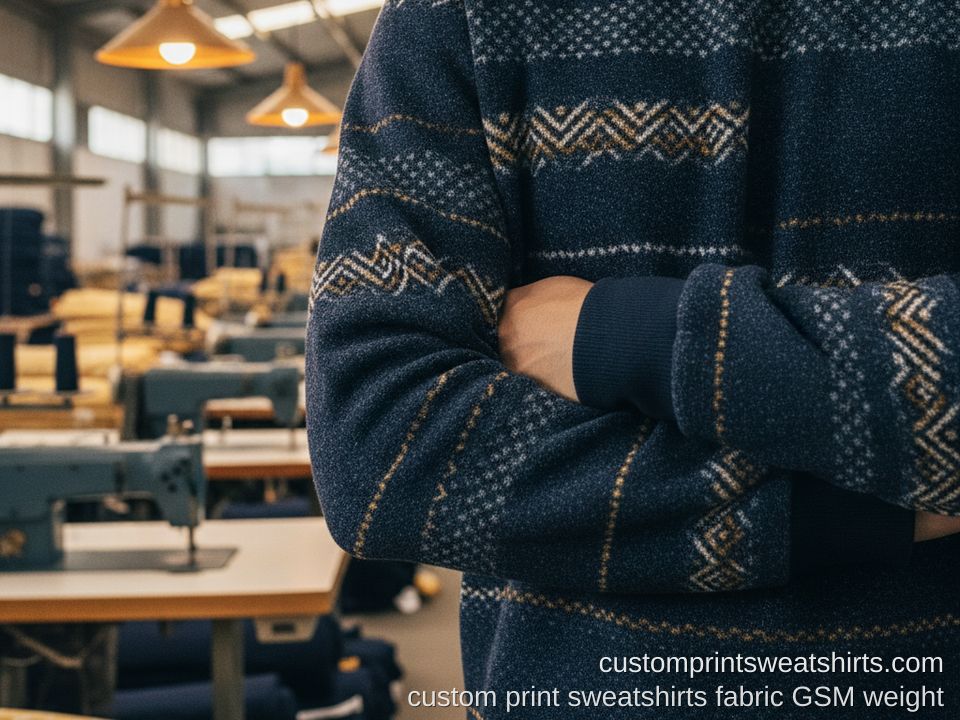
Custom Print Sweatshirts Fabric Guide: GSM, Fleece, French Terry & Performance Blends
Selecting the right fabric for your custom print sweatshirts is paramount to achieving the desired look, feel, and functionality. For technical buyers and brand owners prioritizing quality and performance, understanding fabric weight and composition is crucial. This guide delves into the key fabric types and metrics, focusing on custom print sweatshirts fabric GSM weight, to empower your sourcing decisions. We'll explore the nuances of GSM, the comforting embrace of fleece, the versatile weave of French terry, and the innovative properties of performance blends. At Custom Print Sweatshirts, operated by Gold Garment in Ho Chi Minh City, Vietnam, we pride ourselves on offering factory-direct pricing and worldwide shipping for orders starting at a 100-piece MOQ, ensuring you receive exceptional value.
The choice of fabric directly impacts the garment's drape, warmth, durability, and suitability for various printing techniques. Whether you're creating promotional merchandise, team apparel, or branded retail lines, the foundation of a great sweatshirt lies in its material. Understanding these specifics is a critical step, as detailed by how Gold Garment selects materials, ensuring a product that not only looks good but performs exceptionally well for its intended purpose.
Understanding Fabric Weight: The Importance of GSM
GSM weight, which stands for grams per square meter, is the universal standard for measuring fabric density. For custom print sweatshirts, GSM is a primary indicator of the fabric's weight, thickness, and consequently, its warmth and drape. A higher GSM generally signifies a heavier, thicker, and warmer fabric, while a lower GSM indicates a lighter, more breathable material. This metric is fundamental when discussing custom print sweatshirts fabric GSM weight, as it directly influences the garment's perceived quality and suitability for different climates and uses.
A common range for sweatshirts can vary significantly. Lighter options might fall between 200-250 GSM, suitable for transitional weather or layering. Mid-weight sweatshirts typically range from 260-320 GSM, offering a balance of warmth and comfort, making them popular for everyday wear. Heavier sweatshirts, often exceeding 320 GSM and sometimes reaching up to 400 GSM or more, provide maximum warmth and a substantial feel, ideal for colder environments or a premium, robust aesthetic. Understanding this sweatshirt GSM guide is key to aligning fabric choice with your brand's specific requirements and target market expectations.
Exploring Popular Sweatshirt Fabrics
Fleece: The Classic Comfort Choice
Fleece is arguably the most traditional and beloved fabric for sweatshirts. It's typically made from polyester or a polyester blend, often with cotton. The defining characteristic of fleece is its napped or brushed surface, which creates a soft, fuzzy texture on one or both sides of the fabric. This brushing process traps air, providing excellent insulation and a wonderfully cozy feel against the skin.
For custom print sweatshirts, fleece offers a plush surface that can be very receptive to various printing methods, though direct-to-garment (DTG) printing might require special pretreatment for optimal results on darker colors. Its inherent warmth makes it a staple for casual wear, activewear, and promotional items where comfort is a priority. When considering custom print sweatshirts fabric GSM weight, fleece fabrics can range from lighter weights (around 250 GSM) for a less bulky feel to heavier weights (300 GSM and above) for maximum warmth.
French Terry: Versatile and Breathable
French terry is another highly popular fabric for custom sweatshirts, known for its unique looped construction on the back and a smooth, flat surface on the front. This structure makes it exceptionally breathable and moisture-wicking compared to traditional fleece, while still offering a comfortable weight and a pleasant feel. The loops on the back provide a soft texture without the intense fluffiness of brushed fleece, making it a great option for milder climates or for those who prefer a less heavy garment.
The smooth face of French terry makes it an excellent canvas for various printing techniques, including screen printing, heat transfers, and embroidery. It drapes well, offering a more refined silhouette than some heavier fleeces. When discussing french terry custom print sweatshirts, you'll typically find them in GSM weights ranging from 240 to 320 GSM, striking a balance between substance and breathability. This fabric is a versatile choice for everything from athleisure wear to branded company uniforms, as explored in our comprehensive Sweatshirt Styles Guide: Crewneck, Zip-Up, Half-Zip & Quarter-Zip Compared.
Fleece vs. Jersey: A Key Distinction
It's important to differentiate between fleece and jersey when selecting sweatshirt fabrics. While both can be knit fabrics, fleece is characterized by its brushed, fuzzy interior for warmth and softness. Jersey, on the other hand, is a single knit fabric with a smooth surface on both sides and a tendency to curl at the edges. It's generally lighter and more breathable than fleece, often used for t-shirts but also for lighter-weight sweatshirts or hoodies.
When comparing fleece vs jersey custom print sweatshirts, the primary difference lies in texture and thermal properties. Fleece is designed for warmth and comfort due to its brushed nap, making it ideal for colder weather. Jersey, while comfortable, offers less insulation and is better suited for transitional seasons or as a base layer. The printing surface also differs; fleece's texture can sometimes affect print clarity, whereas jersey's smooth surface typically yields sharper results. Understanding these differences is crucial for technical buyers aiming for specific end-product characteristics. Gold Garment high quality sweatshirt manufacturer.
Performance Blends: Engineered for Functionality
In the realm of modern apparel, performance blends are gaining significant traction for custom print sweatshirts. These fabrics are engineered to offer enhanced functionality beyond basic comfort and warmth. Common blends include combinations of cotton with polyester, spandex, nylon, or specialized synthetic fibers designed to improve moisture-wicking, stretch, durability, and quick-drying properties.
Performance blends are ideal for activewear, team uniforms, or brands that emphasize technical features. The addition of spandex, for instance, provides excellent stretch and recovery, ensuring the garment maintains its shape and allows for freedom of movement. Moisture-wicking synthetics help to draw sweat away from the body, keeping the wearer dry and comfortable during physical activity. When selecting these materials, pay close attention to their specific blend percentages and the resulting custom print sweatshirts fabric GSM weight, as this will dictate their overall performance characteristics.
Key Fabric Considerations for Customization
When planning your custom print sweatshirts, several fabric characteristics directly influence the customization process and final outcome. The fabric's composition, weave, and surface texture will impact how well different printing methods adhere and how durable the final design is. For instance, a very smooth, tightly woven fabric like a high-quality cotton-poly blend might offer sharper print details than a heavily brushed fleece.
The weight of the fabric, measured by GSM weight, also plays a role. Heavier fabrics can sometimes support more robust printing techniques, while lighter fabrics might be more prone to showing through from underlying prints or requiring specific inks to prevent damage. Understanding these nuances is vital for achieving the aesthetic and longevity you desire for your custom apparel. As a Gold Garment high quality sweatshirt manufacturer, we have extensive experience guiding clients through these choices to ensure optimal results.
The choice between OEM and private label manufacturing also intersects with fabric selection. For private label brands looking to establish a unique identity, selecting specialized fabrics or unique blends can be a key differentiator. Our guide on OEM vs Private Label custom print sweatshirts: Choosing the Right Model for Your Brand offers insights into how fabric choices fit into your overall brand strategy. Furthermore, our detailed explanation of How custom print sweatshirts Are Made: The Complete Manufacturing Process Explained can provide context on how fabric choices integrate into the production workflow.
Frequently Asked Questions
Q: What is the ideal GSM for a year-round sweatshirt?
A: For a year-round sweatshirt, a mid-weight fabric between 260-300 GSM is often ideal. This range provides sufficient warmth for cooler days without being overly heavy for milder temperatures, making it versatile for various climates and seasons. It also offers a good balance for printing and comfort.
Q: Can fleece be printed on effectively?
A: Yes, fleece can be printed on effectively, but it requires careful consideration. The brushed surface of fleece can sometimes lead to less sharp print details compared to smoother fabrics. Techniques like screen printing, heat transfers, and embroidery are commonly used. For DTG printing, a pretreatment is often necessary to ensure vibrant and durable results, especially on darker fleece garments.
Q: What is the difference between French Terry and regular sweatshirt fleece?
A: The primary difference lies in their construction and finish. French terry has a smooth, flat face and a back with distinct loops, making it more breathable and moisture-wicking. Regular sweatshirt fleece is typically brushed on the back (and sometimes the front) to create a soft, fuzzy, and warmer nap. This makes French terry a good choice for milder weather or active use, while fleece is preferred for maximum warmth and coziness.
Q: How does fabric blend affect custom print sweatshirts?
A: Fabric blends significantly impact the performance and feel of custom print sweatshirts. For example, adding polyester can increase durability and reduce shrinkage, while cotton provides softness and breathability. Spandex or Lycra adds stretch and shape retention, crucial for activewear. Performance blends with specialized fibers enhance moisture-wicking and quick-drying capabilities. Each blend offers unique advantages for specific applications and printing methods, influencing the overall quality and functionality of the final product.
By understanding these fabric intricacies, you can make informed decisions that align with your brand's vision and your customers' expectations.
Partner with us for factory-direct sourcing and bring your custom sweatshirt designs to life with superior quality and value.
📩 Request a Free Quote — Response Within 5 Minutes
🌎 Website: customprintsweatshirts.com
Factory-direct pricing · MOQ from 100 pcs/style · Sample development · Worldwide shipping


